Orange Democratic Movement
When you think of Orange Democratic Movement, a major political party in Kenya that rose to prominence after the 2005 constitutional referendum. Also known as ODM, it became the driving force behind Kenya’s shift toward more inclusive governance, challenging decades of centralized power. The party didn’t just win elections—it changed how Kenyans saw their voice in politics. It was born from public frustration with constitutional manipulation and quickly grew into a nationwide coalition of youth, farmers, and urban workers united by one demand: real change.
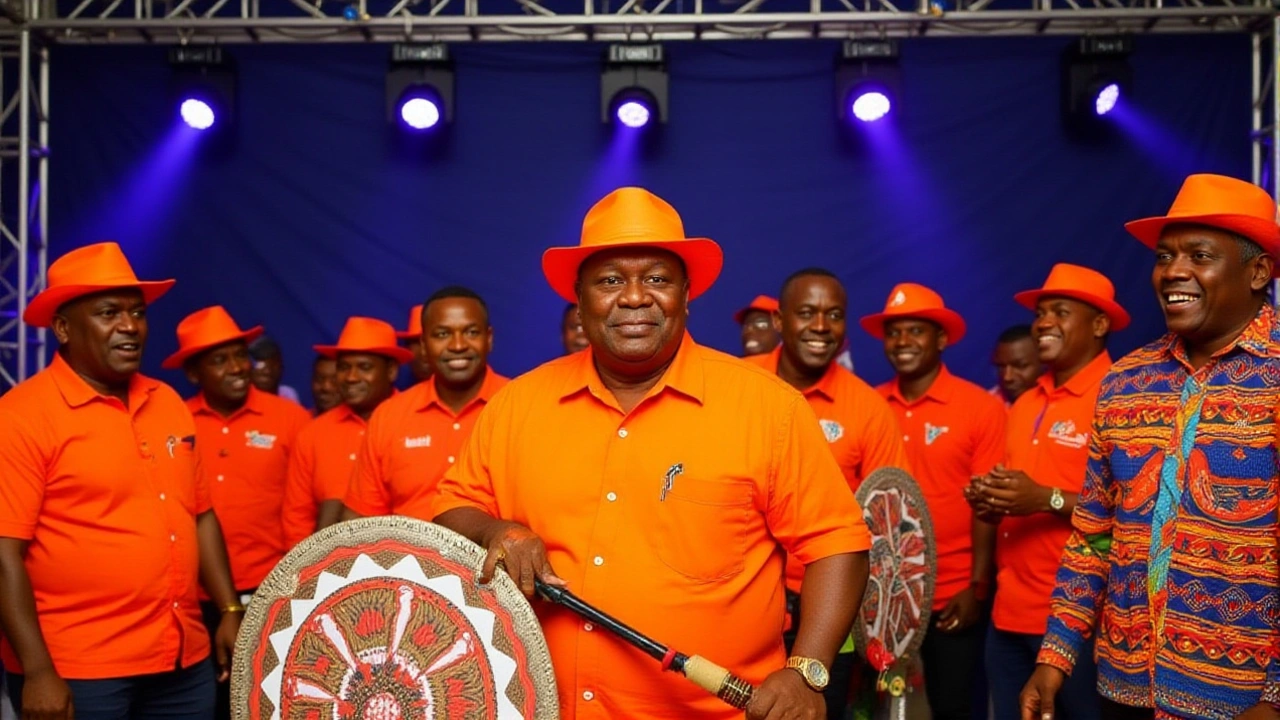
The Orange Democratic Movement is closely tied to Raila Odinga, a veteran Kenyan politician and former prime minister who led the party through multiple presidential campaigns. His name became synonymous with the ODM brand, especially after the disputed 2007 election that sparked nationwide protests. The party’s signature orange color wasn’t just a logo—it was a symbol of resistance, hope, and collective action. Even when it lost, ODM kept the pressure on, forcing reforms like the 2010 constitution, which decentralized power and created new county governments. The party also had to navigate complex alliances, especially with Uhuru Kenyatta, a former rival who later became president and merged his party with ODM’s rivals to form a new coalition. That shift in 2013 didn’t kill ODM—it just forced it to adapt.
ODM’s influence didn’t stop at Kenya’s borders. Its rise inspired similar movements across East Africa, where citizens began asking: Why can’t we have the same kind of mass mobilization? In countries like Uganda and Tanzania, opposition groups studied ODM’s organizing tactics, from street rallies to digital campaigns. Even though Kenya’s political scene has changed—new parties have emerged, alliances have shifted—the legacy of ODM remains. It proved that a party built on grassroots energy, not just money or family name, could shake up the system.
What you’ll find here are real stories from the heart of that movement: election battles, internal splits, policy fights, and the people who kept pushing even when the odds were against them. These aren’t just headlines—they’re the raw, unfiltered moments that defined a generation of African politics.