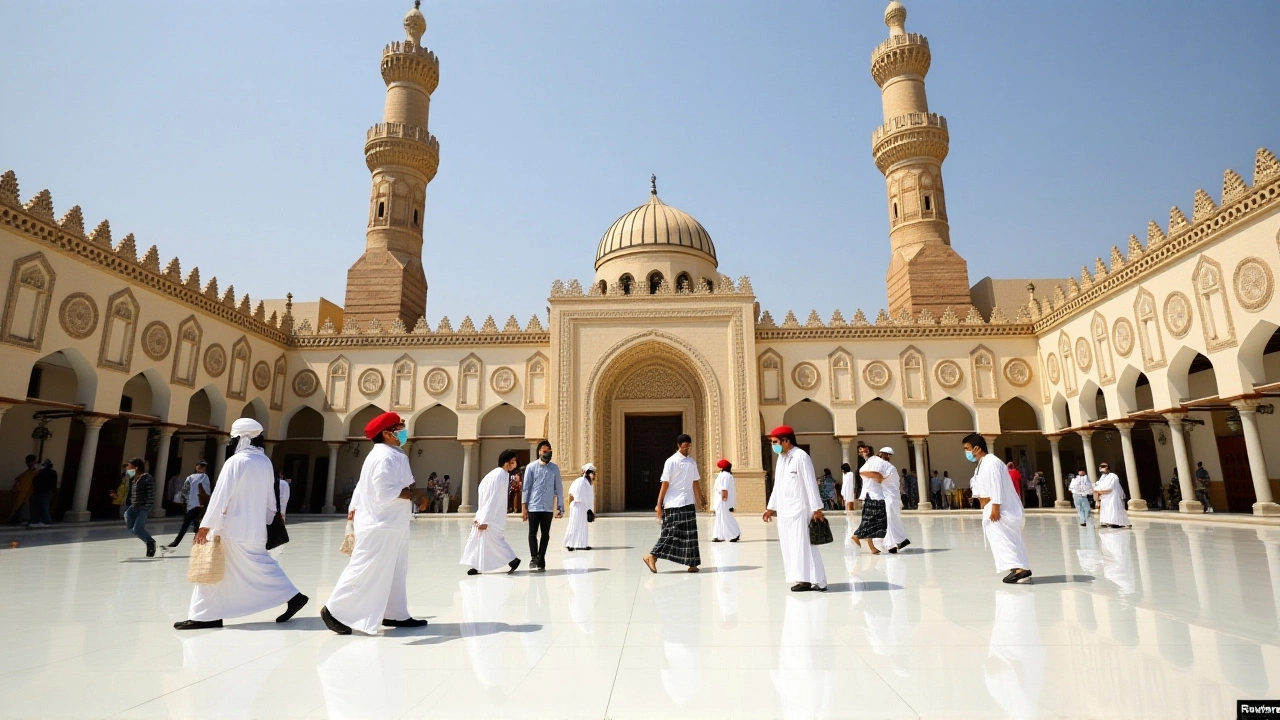
Uzbekistan
When you think of Uzbekistan, a landlocked country in Central Asia with deep historical roots and growing regional influence. Also known as the heart of the Silk Road, it’s a place where ancient cities like Samarkand and Bukhara still echo with centuries of trade, art, and power, while modern reforms are reshaping its economy and global ties. This isn’t just another post-Soviet state—it’s one of the fastest-changing countries in the region, with bold moves in energy, education, and foreign policy that ripple across Central Asia.
Uzbekistan’s government has been quietly building bridges—opening borders, inviting foreign investment, and cutting back on old restrictions. Its economy, once tightly controlled and isolated is now attracting attention from Turkey, China, and even the EU. The country’s natural gas reserves and growing textile industry are key drivers, but it’s the push for digital infrastructure and youth-focused reforms that might define its next decade. Meanwhile, its culture, a rich blend of Persian, Turkic, and Russian influences thrives in music, cuisine, and traditional crafts—still alive in bustling bazaars and family kitchens.
What you won’t find in most Western headlines are the quiet stories: how local entrepreneurs are starting tech hubs in Tashkent, how women are stepping into leadership roles in rural cooperatives, or how Uzbekistan is becoming a mediator in regional disputes between Kazakhstan, Kyrgyzstan, and Tajikistan. These aren’t big global headlines, but they’re the real pulse of the country. On Desert Rose Daily, we cover what matters—without the noise. Below, you’ll find our most recent reports on Uzbekistan’s political shifts, economic experiments, cultural milestones, and its role in the broader Central Asian landscape. No fluff. Just facts, context, and the stories you won’t hear elsewhere.