Sandbags are stacking up on doorsteps across the desert. It’s a familiar, yet jarring sight for anyone who remembers last year’s deluge. As heavy rainfall forecasts loom over the United Arab Emirates, residents are treating this week like a siege preparation rather than a standard rainy day. The weather models show a nasty stretch ahead, running from March 24 through March 30, 2026. Turns out, nobody wants to repeat the chaos of 2024.
That brings us to the core issue: memory. The devastating floods in 2024 weren’t just inconveniences; they were life-altering events that required massive cleanup operations and deployment of industrial tankers. Homeowners learned the hard way that standard construction simply couldn’t handle record-breaking precipitation levels. Now, the community is waking up early to set perimeters before the skies even darken.
The Ground Game: Residents Take Charge
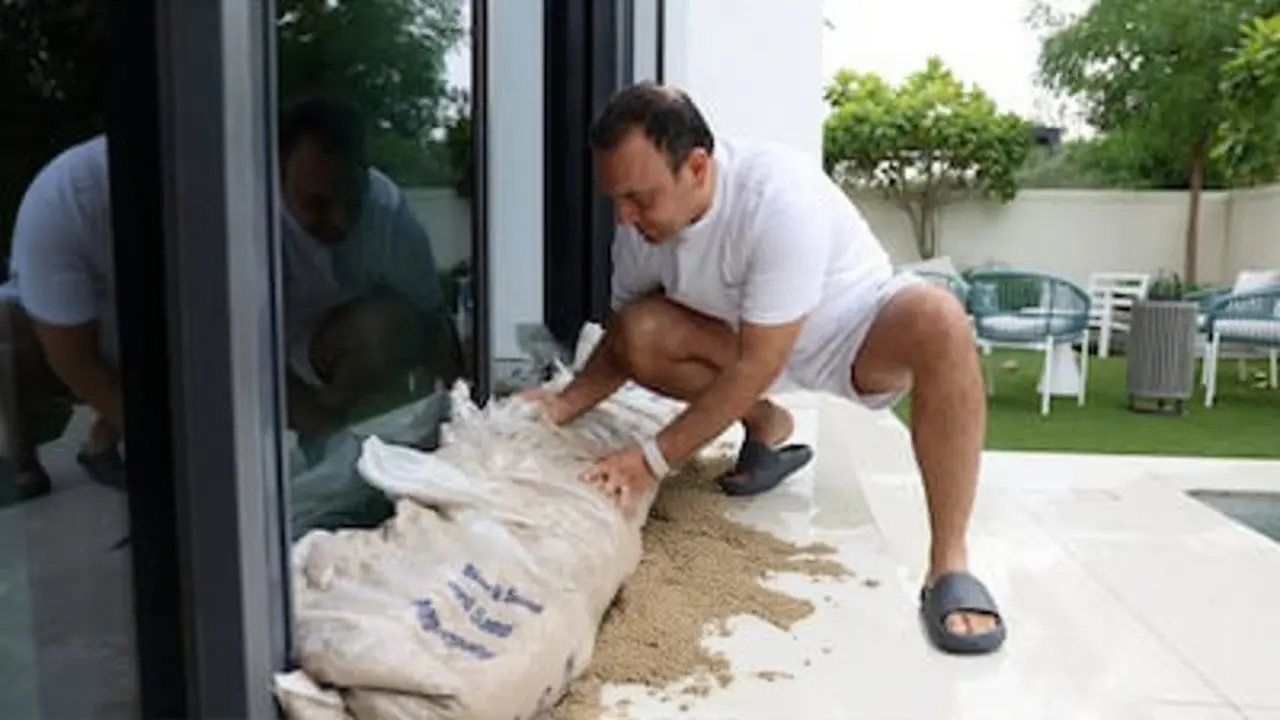
Down in Dubai, specifically within the Green Community West, the anxiety is palpable but productive. Rubesh Pillai isn’t sitting around waiting for government rescue. He’s anchored roughly 400 sandbags to rolls of plastic sheeting across his villa’s large windows. It’s a fortress setup. “You can’t afford to wait,” he notes, glancing at the grey sky. The goal is simple: stop water ingress at the source before it turns a living room into a pond.
Others aren’t as DIY-inclined. That’s where companies like Green Fox step in. Owner Selim Uludokumaci describes his phone ringing off the hook. Over the past two days alone, his team has delivered lorryloads of sandbags. They aren’t just dropping materials; they’re climbing roofs to clear blockages. It’s a specialized skill set now. As Uludokumaci puts it, “Water finds the weakest link. If your sealant is weak, even badly fitted lights let water in.” That’s the kind of detail regular people overlook until the ceiling starts dripping.
Emergency Protocols and Expert Advice
The advice circulating isn’t generic anymore. Experts are drilling down into specifics. It’s about checking interior moisture damage long before the rain stops. Window frames get inspected. Roofs get waterproofed. Maybe most critical? Drains. Sand and leaves clog these easily in this climate. When drains back up, water breaks through silicone seals that should have held firm. Renewing that sealant is the difference between a wet floor and a flooded basement.
Positioning those sandbags correctly matters more than quantity. Placing them haphazardly creates dams rather than walls. The physics here are unforgiving. If you leave gaps, pressure builds up behind the barrier until the structure gives way. Proper placement means water slides away instead of pooling against the foundation.
Dubai Teams On High Alert
While individuals fortify their properties, the state machinery is spinning up too. Dubai Teams are operating around the clock. This isn’t just about road clearance; it’s public safety coordination. Drainage teams and rapid response crews are stationed strategically. Their mandate is smooth movement and resident protection during unstable conditions. The organization remains on high alert as the rainy period drags on, ensuring resources are deployed exactly where flash flooding risks are highest.
Weather officials indicate the storms will likely peak on Thursday, March 27, 2026. There’s also talk of isolated tornadoes. That adds a layer of danger beyond standing water. Unsettled weather conditions including strong winds and heavy clouds are expected to persist across the emirate. It’s a prolonged test of readiness.
Looking Ahead to the Aftermath
Once the rain subsides, the cleanup begins again. The question isn’t if water comes inside, but how much. Lessons from 2024 suggest that proactive sealing prevents 80% of potential damage. However, the intensity of these systems is changing how infrastructure managers think. We aren’t just managing maintenance anymore; we’re managing extreme weather resilience. Future developments will likely require stricter building codes regarding drainage capacity and window framing.
For now, the focus remains on survival through the week. Whether you’ve got 400 sandbags or hired a professional crew, the priority is containment. The storm front moves fast, and once it hits, there’s no time for repairs.
Frequently Asked Questions
When is the peak of the severe weather expected?
Forecasters predict the storms will reach their intensity on Thursday, March 27, 2026. During this window, residents should expect the highest volume of rainfall and wind gusts. Conditions may deteriorate rapidly, so precautions taken before Wednesday are essential for safety.
Why are sandbags being used for home protection?
Sandbags act as barriers to redirect water flow away from foundations and entry points. Following the 2024 floods, homeowners realized that standard doors and windows cannot withstand heavy pressure from rising water levels. Properly placed bags create a buffer zone against overflow.
What services does Green Fox provide during weather events?
The company provides emergency delivery of sandbags, roof pipe clearing, and application of silicone sealants. Their crews access roof areas to clear blockages that cause internal leaks. They offer rapid fixes for structural vulnerabilities identified by property owners.
How are Dubai Teams responding to the forecast?
They are conducting 24-hour operations with dedicated drainage and rapid response crews. Their focus is enhancing readiness for public safety and maintaining safe movement routes across the emirate. Teams remain on alert throughout the duration of the unsettled weather cycle.
Are there risks of tornadoes during this system?
Yes, weather forecasts mention a risk of isolated tornadoes alongside heavy rain and strong winds. While rare, these rotating columns of air pose significant danger. Residents should monitor official warnings closely and seek shelter indoors if conditions worsen beyond standard rainfall alerts.